열정 추구 활동을 통한 충성도 실현: 스포츠와 웰니스 여행의 떠오르는 기회


열정 추구 활동을 통한 충성도 실현: 스포츠와 웰니스 여행의 떠오르는 기회


회복, 정신 건강, 디지털 디톡스 또는 가장 좋아하는 축구팀을 함께 응원하는 동료 팬들의 함성에 둘러싸여 있든, 웰니스와 스포츠를 위한 여행이 아시아 태평양 지역(아태지역) 전역에서 급속하게 증가하고 있습니다.
이러한 추이의 속도가 얼마나 빠른지는 Priority Pass가 아태지역 시장 7곳을 포함, 20개 시장의 여행자 12,000명을 대상으로 조사한 결과를 분석한 “스타디움에서 스파까지: 스포츠와 웰니스 여행의 폭발적 성장을 활용하는 방법” 보고서에서 확인하실 수 있습니다.
아태지역 응답자의 상당 비율이 웰니스를 목적으로 여행을 하며, 3분의 1 이상이 스포츠와 웰니스 모두를 목적으로 여행한다고 답변했습니다.
아태지역 전역에서 웰니스 여행이 지배적이며 스포츠와 연계한 여행을 하는 이들이 점점 늘고 있습니다.
우리는 “열정 추구 활동,” 즉 여행자들 본인의 관심사에 부합하며 단순한 소비를 넘어 삶을 풍요롭게 하는 여행의 시대에 살고 있습니다. APAC 아태지역 소비자의 81%는 전환적 경험을 위해 브랜드를 찾는 빈도가 늘고 있으며, 여행이 이를 가능하게 하는 주된 매개가 되고 있습니다.
이러한 열정을 추구할 수 있도록 고객들에게 효과적인 조력자가 되는 브랜드들은 고객이 행복감과 보다 깊은 몰입도를 느낄 수 있게 하고 브랜드와 장기적인 관계를 형성할 수 있는 촉매제가 될 수 있도록 여행을 활용하여 이점을 누릴 수 있습니다.
이러한 변화는 아태지역 내 스포츠 및 웰니스 관광 시장 규모의 성장 추이에도 잘 반영되어 있습니다.

웰니스는 라이프 스타일의 최우선 가치
아태지역 여행자들의 43%가 웰니스 경험을 추구하는 것에서 볼 수 있듯, 웰니스 경험은 더 이상 사치가 아닌 모든 세대를 아우르는 라이프 스타일의 최우선 가치입니다.
Z세대가 웰니스 주도형 여행의 주요 성장 동력으로 타 세대보다 보다 폭 넓게 다양한 활동들을 즐기고 있습니다. 그 결과, 브랜드들은 활동적이면서도 회복이 조화된 경험을 제공할 필요가 있습니다.
세대별로 휴식과 재충전에 대한 욕구가 웰니스 여행의 주요 동인이 되는 비율:
세대별로 디지털 디톡스에 대한 욕구가 웰니스 여행의 주요 동인이 되는 비율:
경험 지향적인 여행자들의 경우 아태지역이 상당한 잠재력을 품고 있습니다. 해당 지역의 웰니스 여행자들은 단순히 휴가를 보내기 위해 떠나는 것을 넘어 여행에 몰입하며 각 목적지마다 체류 시간을 늘리고 더 깊게 상호작용합니다. 이 때문에 해외에서 더 많은 시간을 보내고 (여행 기간이 5일 이상인 응답자가 64%) 여행에 투자하는 금액의 중위값이 1,647 달러로 상대적으로 더 많은 금액을 투자합니다. 이렇듯 깊이 있는 몰입이 이루어지기 때문에 브랜드들에 있어 여행은 고부가가치 고객층과 더 강력하고 오랜 기간 지속되는 유대감을 형성할 수 있는 유의미한 통로가 되어줍니다.

열정과 충성도의 추진력인 스포츠
스포츠만큼 즐거움을 선사하는 경험은 많지 않습니다. 아태지역의 스포츠 여행자들의 44%는 특정 스포츠 종목이나 팀에 대한 열정이 여행의 동기가 됩니다.
라이브 스포츠 경기가 몰입도를 향상시키는 동시에 진정한 효과는 팀의 정체성을 공유하고 매 순간 공유하는 감정을 바탕으로 형성되는 충성도에서 찾을 수 있습니다. 이 때문에 스포츠는 주요 여행 항목으로 부상하며 특히 젊은 세대의 목적지 선택과 소비를 결정짓는 요소가 되었습니다.
스포츠 여행자의 47%는 새로운 도시를 방문하기 위해 여행을 하고 있으며 젊은 세대의 여행자들의 경우 그 비중이 49%로 증가하는 것을 감안하면, 이와 더불어 새로운 목적지를 찾고자 하는 욕구가 더해지면 스포츠 주도형 여행의 의미가 더욱 분명해집니다.
따라서 스포츠 경험을 제공하는 브랜드들은 스포츠 경기를 위해 방문한 해당 목적지에 더 장기간 체류하며 더 많은 소비를 하는 여행자들은 활용할 수 있는 입지를 점하게 됩니다. 이러한 여행자들과 상호 작용하고자 하는 브랜드들에게 스포츠는 여러 시장에서 다양한 팬층과 교류할 수 있는 기회 또한 제공합니다.
아태지역 내 가장 인기가 많은 스포츠 종목:

이러한 경향은 크리켓과 축구를 중심으로 관심이 집중되는 인도에서 분명히 찾아볼 수 있습니다. 인도의 스포츠 여행자의 81%는 크리켓을 선택하며 최우선적인 스포츠 관심 종목으로 꼽았습니다.
이는 여행을 하는 행동적 특징으로 직결됩니다. 18세에서 28세까지의 인도인 여행자들 중, 2026년 한 해만 해도 60%가 크리켓 경기를 직관하기 위해 여행을 할 계획을 갖고 있습니다.
축구 또한 해외 여행을 떠나게 하는 강력한 동기가 되고 있습니다. 2022년 FIFA 월드컵 카타르™ 기간에 인도발 도하행 항공편 검색 건 수가 전년 동기 대비 250% 증가했으며 미국, 캐나다 그리고 멕시코의 올해 개최 도시행 검색 건 수는 이미 전년 동기 대비 30-50% 증가하며 – 스포츠 경기가 국제적인 여행 수요로 전환된다는 점을 잘 보여주고 있습니다.
나아가 특히 크리켓의 경우 인도 국내에서도 유사한 경향을 확인할 수 있습니다. 올해의 크리켓 월드컵을 앞두고 거주하는 도시를 떠나 경기를 관람하기 위해 여행하는 팬들로 인해 개최 도시인 Ranchi, Thiruvananthapuram, Jaipur 그리고 Lucknow의 숙박 시설 검색 건 수가 전년 동기 대비 60%에서 120%까지 증가했습니다.
전통적인 스포츠 경기를 넘어 열정적이고 언제든 여행을 떠날 준비가 되어있는 팬 층의 지지를 업고 틈새 종목들도 인기를 얻고 있습니다. 예컨대 게임이 단순히 엔터테인먼트에서 모두가 인정하는 세계적인 스포츠 종목으로 발전하는 과정을 보여준 e스포츠는 주로 상대적으로 젊은 세대의 관중의 관심을 받고 있습니다. 베이비부머 세대 중 1%, X 세대의 11% 만이 e스포츠 팬인 반면, Z 세대와 밀레니얼 세대의 경우 해당 비율이 20%에 이릅니다. 브랜드들은 공항 내 게임 라운지 등을 포함한 환경을 제공하여 젊은 층의 여행자들이 여행 중에도 게임을 하고, 관계를 형성하고 관심사에 몰입할 수 있는 전용 공간을 제공함으로써 이처럼 높아지는 관심을 적극 공략, 수익화 기회를 창출할 수 있습니다.
경험에서 기대치로
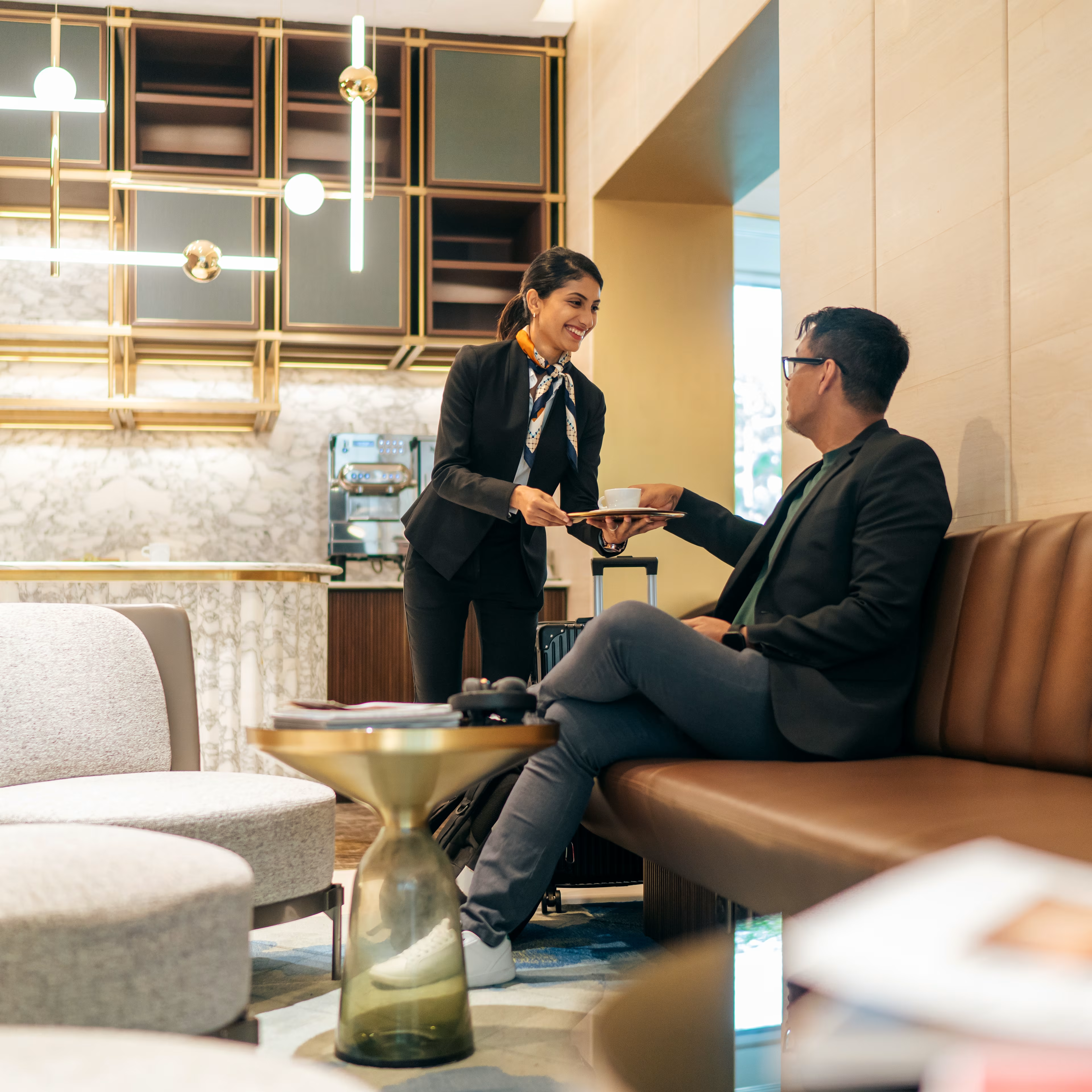
웰니스와 스포츠 사이에서 점점 더 많은 이들이 본인의 가치관과 열정에 맞춰 여행의 동기를 정의하고 있습니다. 경험 주도적인 여행이 기본적인 기대치가 되어 가고 있으며 아태지역 여행자들의 51%는 개별 혜택보다는 여정 전체의 매끄러운 경험에 최우선 순위를 두며 전반적인 경험을 한 차원 끌어올리는 특별한 요소에 주목하고 있습니다.
그리고 이러한 특별한 요소에 대한 집중은 공항에 발을 딛는 순간, 목적지에 도달하기도 한참 전에 시작됩니다.
아태지역 응답자들이 꼽은 본인의 여행 경험을 향상시킨다고 생각하는 주요 결제 카드 혜택:
고객의 행복감에 기여하는 리워드를 제공함으로써 브랜드들은 무엇을 얻을 수 있을까요?
Collinson International의 아시아 태평양 지역 소비자 행복도 보고서에 따르면 여행자들의 충성도가 더 높아지고 보다 강한 브랜드 지지로 이어집니다.

결제 카드 혜택과 소비 행태 및 충성도와의 상관 관계
유의미한 여행 혜택은 몰입도 강화, 소비 증대와 더 깊은 충성도로 이어집니다. 특히 아태지역의 웰니스와 스포츠 여행자들의 경우 경험이 결제 카드 선택을 좌우하는 요인이 되는 경우가 점점 늘고 있습니다.
전세계적으로 웰니스와 스포츠 여행자들의 56%가 사용 빈도가 가장 높은 결제 카드를 통해 여행 관련 혜택을 누리고 있으며 해당 영역에 대한 관심도가 사용 카드 선택에 영향을 미쳤다고 답변한 비율이 79%입니다. 아태지역의 경우 해당 비율은 각 64%와 83%로 더 높게 나타납니다.
사용에서 선택까지 – 여행 관련 리워드가 아태지역 내 카드소지자 행동을 결정 짓는 요소
이제는 경험 주도형 여행이 유치, 소비 행태 그리고 장기 충성도를 결정지으며 금융 서비스 업체들이 고부가가치 고객들에게 차별화된 접근을 통해 이들을 유치하고 유지할 수 있도록 해주는 분명한 기회 요인이 되었습니다.
이를 실현하기 위해 브랜드들은 고객 개인의 열정을 담아낸 여행을 큐레이션함으로써 기대를 뛰어넘는 경험을 제공할 수 있습니다.
주요 금융 서비스 기관 브랜드들은 이미 여행 및 라이프스타일 제안을 재편하고 강화함으로써 이러한 추이에 대응하고 있습니다.

Citi는 PremierMiles 카드를 Mastercard World Select로 업그레이드하여, 여러 호텔 로열티 프로그램의 엘리트 등급으로 더 빠르게 승급할 수 있는 혜택과 HoteLux 멤버십 이용권 그리고 무료 여행자 보험을 제공합니다.

Visa는 아태지역 Infinite 카드 혜택을 재편하여, 호텔 예약, 여행 혜택 그리고 BLACKPINK의 월드 투어 독점 사전 예매 혜택을 제공합니다.

Amex는 Formula 1과의 파트너십을 통해 카드 회원들에게 그랑프리 독점 입장권 및 프리미엄 팬 경험의 기회를 제공합니다.
카드소지자를 위해 큐레이션 된 고부가가치 여행 경험
현대 사회의 여행자들은 단독으로 제공되는 혜택으로는 더 이상 만족하지 않습니다. 여행의 모든 단계에서 매끄럽고 보상감 있는 경험을 기대하며 이를 충족시켜줄 결제 카드를 적극적으로 선택합니다. Collinson International이 소유하고 운영하는 세계 최고의 공항 경험 프로그램인 Priority Pass와 통합함으로써 브랜드들은 일상적인 적립 혜택과 유의미한 여행 혜택을 결합함으로써 변화하는 고객의 기대치를 충족하고 전반적인 여행 경험을 한 차원 끌어올릴 수 있습니다.
Priority Pass와 함께라면 회원들은 라운지 입장, 스파 관리, 슬립팟 및 큐레이션 된 미식 경험을 포함, 전세계 1,800곳의 공항 라운지와 여행 경험 시설을 이용할 수 있습니다. 나아가 공항 이동 교통편과 렌터카, 공항 의전 서비스, 공항 테이크아웃, 공유 사무 공간 그리고 라운지 사전 예약 등을 포함, 여행의 처음부터 끝까지 편의성을 증대하는 서비스의 도움을 받을 수도 있습니다.
결국, 요즘의 경험 주도의 시대에서는 고객들로 하여금 개인의 열정과 여행 관심사를 추구할 수 있도록 조력자 역할을 하는 브랜드들이 진정성 있고 오랜 기간 지속되는 고객 관계를 형성할 수 있습니다.

Priority Pass의 네트워크는 변화하는 여행자들의 니즈에 부합하기 위해 계속해서 확장 중입니다. 예컨대 TrvlWell은 이동 중에 건강과 웰니스를 지원하기 위해 설계된 무료 디지털 여행 웰니스 동반 프로그램입니다.
세계 최고 수준의 공항 경험, 고객 충성도 및 인게이지먼트 솔루션을 제공하는 Collinson International의 전문성을 바탕으로 강력한 등급제 리워드 전략을 구성할 수 있도록 지원함으로써 아태지역 내 경험적 여행에 대한 열정을 수익화 할 수 있게 해드립니다.
Collinson International은 글로벌 민간 기업으로 전세계가 안심하고 편리하게 여행할 수 있도록 전력을 다하고 있습니다.
세계 유수의 결제 네트워크, 1,400개 은행, 90개 항공사 그리고 20개 호텔 그룹과 함께 일하며 전세계 4억명 이상의 최종 소비자들에게 시장을 선도하는 여행 경험, 로열티 및 고객 인게이지먼트, 보험 솔루션을 제공하고 있습니다.
Collinson International이 운영하고 있는 Priority Pass는 독자적이며 시장을 선도하는 공항 경험 프로그램입니다. 식음료장, 리테일, 수면 및 스파 시설을 포함 143개국 841곳 이상의 공항 내 라운지 1,900곳을 이용할 수 있는 서비스를 제공하여 평범한 여정에 특별함을 더할 수 있도록 돕고 있습니다.

회복, 정신 건강, 디지털 디톡스 또는 가장 좋아하는 축구팀을 함께 응원하는 동료 팬들의 함성에 둘러싸여 있든, 웰니스와 스포츠를 위한 여행이 아시아 태평양 지역(아태지역) 전역에서 급속하게 증가하고 있습니다.
이러한 추이의 속도가 얼마나 빠른지는 Priority Pass가 아태지역 시장 7곳을 포함, 20개 시장의 여행자 12,000명을 대상으로 조사한 결과를 분석한 “스타디움에서 스파까지: 스포츠와 웰니스 여행의 폭발적 성장을 활용하는 방법” 보고서에서 확인하실 수 있습니다.
아태지역 응답자의 상당 비율이 웰니스를 목적으로 여행을 하며, 3분의 1 이상이 스포츠와 웰니스 모두를 목적으로 여행한다고 답변했습니다.
아태지역 전역에서 웰니스 여행이 지배적이며 스포츠와 연계한 여행을 하는 이들이 점점 늘고 있습니다.
우리는 “열정 추구 활동,” 즉 여행자들 본인의 관심사에 부합하며 단순한 소비를 넘어 삶을 풍요롭게 하는 여행의 시대에 살고 있습니다. APAC 아태지역 소비자의 81%는 전환적 경험을 위해 브랜드를 찾는 빈도가 늘고 있으며, 여행이 이를 가능하게 하는 주된 매개가 되고 있습니다.
이러한 열정을 추구할 수 있도록 고객들에게 효과적인 조력자가 되는 브랜드들은 고객이 행복감과 보다 깊은 몰입도를 느낄 수 있게 하고 브랜드와 장기적인 관계를 형성할 수 있는 촉매제가 될 수 있도록 여행을 활용하여 이점을 누릴 수 있습니다.
이러한 변화는 아태지역 내 스포츠 및 웰니스 관광 시장 규모의 성장 추이에도 잘 반영되어 있습니다.
웰니스는 라이프 스타일의 최우선 가치
아태지역 여행자들의 43%가 웰니스 경험을 추구하는 것에서 볼 수 있듯, 웰니스 경험은 더 이상 사치가 아닌 모든 세대를 아우르는 라이프 스타일의 최우선 가치입니다.
Z세대가 웰니스 주도형 여행의 주요 성장 동력으로 타 세대보다 보다 폭 넓게 다양한 활동들을 즐기고 있습니다. 그 결과, 브랜드들은 활동적이면서도 회복이 조화된 경험을 제공할 필요가 있습니다.
세대별로 휴식과 재충전에 대한 욕구가 웰니스 여행의 주요 동인이 되는 비율:
세대별로 디지털 디톡스에 대한 욕구가 웰니스 여행의 주요 동인이 되는 비율:
경험 지향적인 여행자들의 경우 아태지역이 상당한 잠재력을 품고 있습니다. 해당 지역의 웰니스 여행자들은 단순히 휴가를 보내기 위해 떠나는 것을 넘어 여행에 몰입하며 각 목적지마다 체류 시간을 늘리고 더 깊게 상호작용합니다. 이 때문에 해외에서 더 많은 시간을 보내고 (여행 기간이 5일 이상인 응답자가 64%) 여행에 투자하는 금액의 중위값이 1,647 달러로 상대적으로 더 많은 금액을 투자합니다. 이렇듯 깊이 있는 몰입이 이루어지기 때문에 브랜드들에 있어 여행은 고부가가치 고객층과 더 강력하고 오랜 기간 지속되는 유대감을 형성할 수 있는 유의미한 통로가 되어줍니다.
열정과 충성도의 추진력인 스포츠
스포츠만큼 즐거움을 선사하는 경험은 많지 않습니다. 아태지역의 스포츠 여행자들의 44%는 특정 스포츠 종목이나 팀에 대한 열정이 여행의 동기가 됩니다.
라이브 스포츠 경기가 몰입도를 향상시키는 동시에 진정한 효과는 팀의 정체성을 공유하고 매 순간 공유하는 감정을 바탕으로 형성되는 충성도에서 찾을 수 있습니다. 이 때문에 스포츠는 주요 여행 항목으로 부상하며 특히 젊은 세대의 목적지 선택과 소비를 결정짓는 요소가 되었습니다.
스포츠 여행자의 47%는 새로운 도시를 방문하기 위해 여행을 하고 있으며 젊은 세대의 여행자들의 경우 그 비중이 49%로 증가하는 것을 감안하면, 이와 더불어 새로운 목적지를 찾고자 하는 욕구가 더해지면 스포츠 주도형 여행의 의미가 더욱 분명해집니다.
따라서 스포츠 경험을 제공하는 브랜드들은 스포츠 경기를 위해 방문한 해당 목적지에 더 장기간 체류하며 더 많은 소비를 하는 여행자들은 활용할 수 있는 입지를 점하게 됩니다. 이러한 여행자들과 상호 작용하고자 하는 브랜드들에게 스포츠는 여러 시장에서 다양한 팬층과 교류할 수 있는 기회 또한 제공합니다.
아태지역 내 가장 인기가 많은 스포츠 종목:
이러한 경향은 크리켓과 축구를 중심으로 관심이 집중되는 인도에서 분명히 찾아볼 수 있습니다. 인도의 스포츠 여행자의 81%는 크리켓을 선택하며 최우선적인 스포츠 관심 종목으로 꼽았습니다.
이는 여행을 하는 행동적 특징으로 직결됩니다. 18세에서 28세까지의 인도인 여행자들 중, 2026년 한 해만 해도 60%가 크리켓 경기를 직관하기 위해 여행을 할 계획을 갖고 있습니다.
축구 또한 해외 여행을 떠나게 하는 강력한 동기가 되고 있습니다. 2022년 FIFA 월드컵 카타르™ 기간에 인도발 도하행 항공편 검색 건 수가 전년 동기 대비 250% 증가했으며 미국, 캐나다 그리고 멕시코의 올해 개최 도시행 검색 건 수는 이미 전년 동기 대비 30-50% 증가하며 – 스포츠 경기가 국제적인 여행 수요로 전환된다는 점을 잘 보여주고 있습니다.
나아가 특히 크리켓의 경우 인도 국내에서도 유사한 경향을 확인할 수 있습니다. 올해의 크리켓 월드컵을 앞두고 거주하는 도시를 떠나 경기를 관람하기 위해 여행하는 팬들로 인해 개최 도시인 Ranchi, Thiruvananthapuram, Jaipur 그리고 Lucknow의 숙박 시설 검색 건 수가 전년 동기 대비 60%에서 120%까지 증가했습니다.
전통적인 스포츠 경기를 넘어 열정적이고 언제든 여행을 떠날 준비가 되어있는 팬 층의 지지를 업고 틈새 종목들도 인기를 얻고 있습니다. 예컨대 게임이 단순히 엔터테인먼트에서 모두가 인정하는 세계적인 스포츠 종목으로 발전하는 과정을 보여준 e스포츠는 주로 상대적으로 젊은 세대의 관중의 관심을 받고 있습니다. 베이비부머 세대 중 1%, X 세대의 11% 만이 e스포츠 팬인 반면, Z 세대와 밀레니얼 세대의 경우 해당 비율이 20%에 이릅니다. 브랜드들은 공항 내 게임 라운지 등을 포함한 환경을 제공하여 젊은 층의 여행자들이 여행 중에도 게임을 하고, 관계를 형성하고 관심사에 몰입할 수 있는 전용 공간을 제공함으로써 이처럼 높아지는 관심을 적극 공략, 수익화 기회를 창출할 수 있습니다.
경험에서 기대치로
웰니스와 스포츠 사이에서 점점 더 많은 이들이 본인의 가치관과 열정에 맞춰 여행의 동기를 정의하고 있습니다. 경험 주도적인 여행이 기본적인 기대치가 되어 가고 있으며 아태지역 여행자들의 51%는 개별 혜택보다는 여정 전체의 매끄러운 경험에 최우선 순위를 두며 전반적인 경험을 한 차원 끌어올리는 특별한 요소에 주목하고 있습니다.
그리고 이러한 특별한 요소에 대한 집중은 공항에 발을 딛는 순간, 목적지에 도달하기도 한참 전에 시작됩니다.
아태지역 응답자들이 꼽은 본인의 여행 경험을 향상시킨다고 생각하는 주요 결제 카드 혜택:
고객의 행복감에 기여하는 리워드를 제공함으로써 브랜드들은 무엇을 얻을 수 있을까요?
Collinson International의 아시아 태평양 지역 소비자 행복도 보고서에 따르면 여행자들의 충성도가 더 높아지고 보다 강한 브랜드 지지로 이어집니다.
결제 카드 혜택과 소비 행태 및 충성도와의 상관 관계
유의미한 여행 혜택은 몰입도 강화, 소비 증대와 더 깊은 충성도로 이어집니다. 특히 아태지역의 웰니스와 스포츠 여행자들의 경우 경험이 결제 카드 선택을 좌우하는 요인이 되는 경우가 점점 늘고 있습니다.
전세계적으로 웰니스와 스포츠 여행자들의 56%가 사용 빈도가 가장 높은 결제 카드를 통해 여행 관련 혜택을 누리고 있으며 해당 영역에 대한 관심도가 사용 카드 선택에 영향을 미쳤다고 답변한 비율이 79%입니다. 아태지역의 경우 해당 비율은 각 64%와 83%로 더 높게 나타납니다.
사용에서 선택까지 – 여행 관련 리워드가 아태지역 내 카드소지자 행동을 결정 짓는 요소
이제는 경험 주도형 여행이 유치, 소비 행태 그리고 장기 충성도를 결정지으며 금융 서비스 업체들이 고부가가치 고객들에게 차별화된 접근을 통해 이들을 유치하고 유지할 수 있도록 해주는 분명한 기회 요인이 되었습니다.
이를 실현하기 위해 브랜드들은 고객 개인의 열정을 담아낸 여행을 큐레이션함으로써 기대를 뛰어넘는 경험을 제공할 수 있습니다.
주요 금융 서비스 기관 브랜드들은 이미 여행 및 라이프스타일 제안을 재편하고 강화함으로써 이러한 추이에 대응하고 있습니다.
Citi는 PremierMiles 카드를 Mastercard World Select로 업그레이드하여, 여러 호텔 로열티 프로그램의 엘리트 등급으로 더 빠르게 승급할 수 있는 혜택과 HoteLux 멤버십 이용권 그리고 무료 여행자 보험을 제공합니다.
Visa는 아태지역 Infinite 카드 혜택을 재편하여, 호텔 예약, 여행 혜택 그리고 BLACKPINK의 월드 투어 독점 사전 예매 혜택을 제공합니다.
Amex는 Formula 1과의 파트너십을 통해 카드 회원들에게 그랑프리 독점 입장권 및 프리미엄 팬 경험의 기회를 제공합니다.
카드소지자를 위해 큐레이션 된 고부가가치 여행 경험
현대 사회의 여행자들은 단독으로 제공되는 혜택으로는 더 이상 만족하지 않습니다. 여행의 모든 단계에서 매끄럽고 보상감 있는 경험을 기대하며 이를 충족시켜줄 결제 카드를 적극적으로 선택합니다. Collinson International이 소유하고 운영하는 세계 최고의 공항 경험 프로그램인 Priority Pass와 통합함으로써 브랜드들은 일상적인 적립 혜택과 유의미한 여행 혜택을 결합함으로써 변화하는 고객의 기대치를 충족하고 전반적인 여행 경험을 한 차원 끌어올릴 수 있습니다.
Priority Pass와 함께라면 회원들은 라운지 입장, 스파 관리, 슬립팟 및 큐레이션 된 미식 경험을 포함, 전세계 1,800곳의 공항 라운지와 여행 경험 시설을 이용할 수 있습니다. 나아가 공항 이동 교통편과 렌터카, 공항 의전 서비스, 공항 테이크아웃, 공유 사무 공간 그리고 라운지 사전 예약 등을 포함, 여행의 처음부터 끝까지 편의성을 증대하는 서비스의 도움을 받을 수도 있습니다.
결국, 요즘의 경험 주도의 시대에서는 고객들로 하여금 개인의 열정과 여행 관심사를 추구할 수 있도록 조력자 역할을 하는 브랜드들이 진정성 있고 오랜 기간 지속되는 고객 관계를 형성할 수 있습니다.
Priority Pass의 네트워크는 변화하는 여행자들의 니즈에 부합하기 위해 계속해서 확장 중입니다. 예컨대 TrvlWell은 이동 중에 건강과 웰니스를 지원하기 위해 설계된 무료 디지털 여행 웰니스 동반 프로그램입니다.
세계 최고 수준의 공항 경험, 고객 충성도 및 인게이지먼트 솔루션을 제공하는 Collinson International의 전문성을 바탕으로 강력한 등급제 리워드 전략을 구성할 수 있도록 지원함으로써 아태지역 내 경험적 여행에 대한 열정을 수익화 할 수 있게 해드립니다.
Collinson International은 글로벌 민간 기업으로 전세계가 안심하고 편리하게 여행할 수 있도록 전력을 다하고 있습니다.
세계 유수의 결제 네트워크, 1,400개 은행, 90개 항공사 그리고 20개 호텔 그룹과 함께 일하며 전세계 4억명 이상의 최종 소비자들에게 시장을 선도하는 여행 경험, 로열티 및 고객 인게이지먼트, 보험 솔루션을 제공하고 있습니다.
Collinson International이 운영하고 있는 Priority Pass는 독자적이며 시장을 선도하는 공항 경험 프로그램입니다. 식음료장, 리테일, 수면 및 스파 시설을 포함 143개국 841곳 이상의 공항 내 라운지 1,900곳을 이용할 수 있는 서비스를 제공하여 평범한 여정에 특별함을 더할 수 있도록 돕고 있습니다.